
iabcetiabcetlogo -iabcetlogo -iabcet
    • IABCET Home
      • What Is IABCET?
      • History & Mission
      • Leadership & Governance
      • Committees & Governance
      • CONTACT
    • Accreditation
      • Accreditation Overview
      • Eligibility Requirements
      • Accreditation Process
      • Accreditation Criteria
      • Accreditation Standards
      • Accreditation Guidelines
      • Assessment & Evaluation
      • Accreditation Fees
      • Reaccreditation
      • Accreditation Framework
      • Accreditation Decisions
      • Standards Version History
    • Accredited
      • Accredited Institutions
      • Accredited Programs
      • Accredited Training Providers
      • Verify a Training Provider
      • Verify Accreditation
      • Verify Accredited Institution
      • Verify Accredited Program
      • Verification Center
      • Accreditation Directory
    • Credentials
      • Professional Credentials
      • Lecturer Credential
      • Teacher Credential
      • Trainer Credential
      • CPE/CEU Trainer Credential
      • Professional Education Accreditation
      • Professional Development
      • Short Course Accreditation
    • CPE & CEU
      • What Is CPE?
      • What Is CEU?
      • CPE Requirements
      • CPE/CEU Credit-Hour Framework
      • CPE/CEU Provider Requirements
      • CPE/CEU Certificates & Records
      • Verify CPE/CEU Certificate
      • CPE Provider Accreditation
    • Resources
      • News & Updates
      • Research & Publications
      • Publications & Reports
      • Annual Reports
      • FAQ
      • Accreditation FAQ
    Verify Accreditation
      ACCREDITATION • STANDARDS • EVIDENCE • VERIFICATION • INTEGRITY • QUALITY • IABCET – The International Accreditation Board for Continuing Education and Training
      1. IABCET
      2. News & Updates
      3. Trends
      Trends

      Microcredentials and accreditation: how short learning earns trust

      27 November 2026IABCET Editorial Team6 min read

      Short, focused qualifications are growing fast. Microcredentials and accreditation belong together: a microcredential is only as valuable as the trust behind it.

      Key points

      • A microcredential certifies specific learning outcomes from a short program.
      • Quality depends on outcomes, assessment and a verifiable record.
      • IABCET accredits short programs through program accreditation.

      What is a microcredential?

      A microcredential records the learning outcomes a person achieved in a short, assessed learning experience. International organizations, including the UNESCO Institute for Lifelong Learning, have studied how microcredentials support lifelong learning.

      What makes a microcredential trustworthy?

      • Clear, published learning outcomes.
      • Valid assessment of those outcomes.
      • A defined workload or learning time.
      • A verifiable digital record.
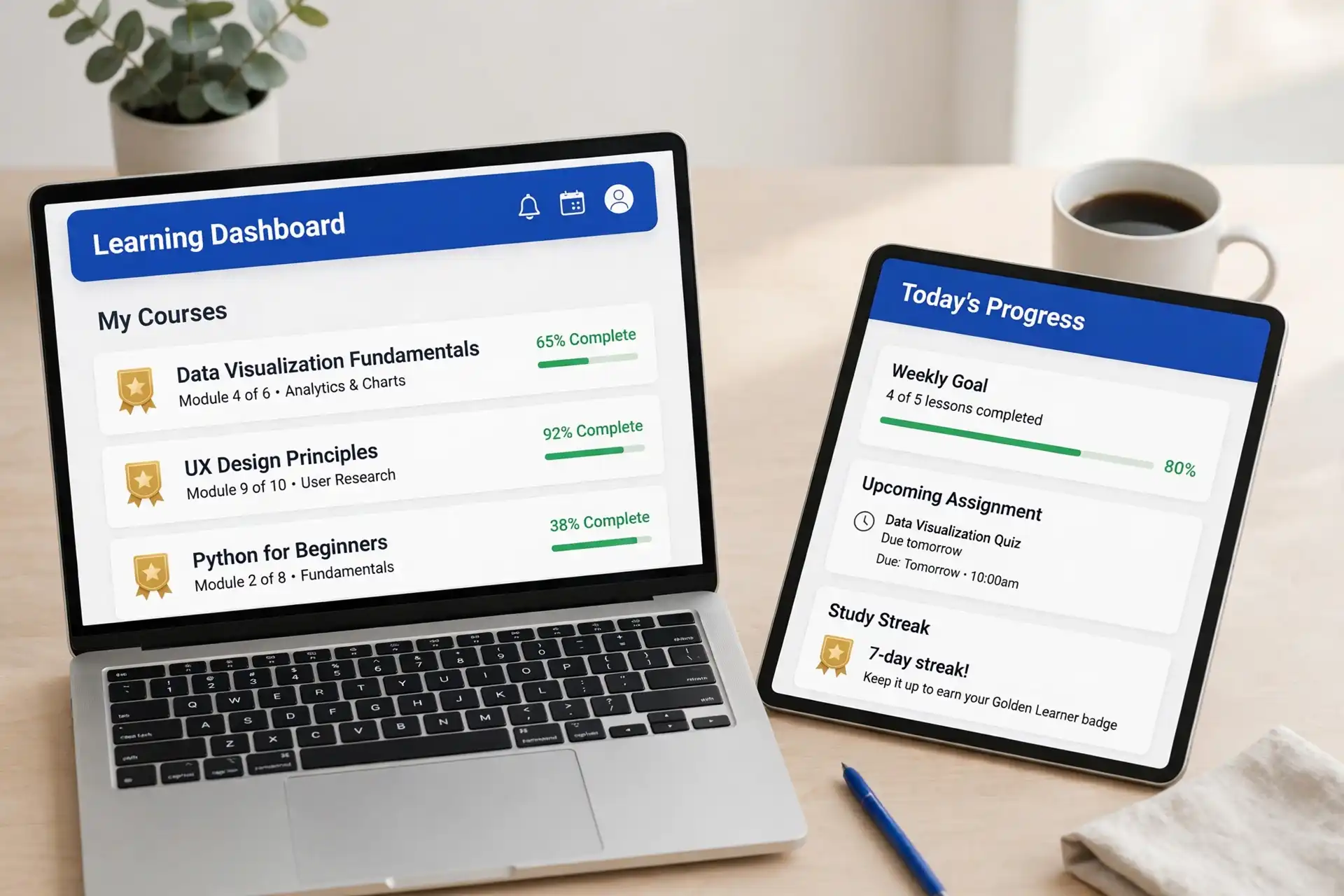
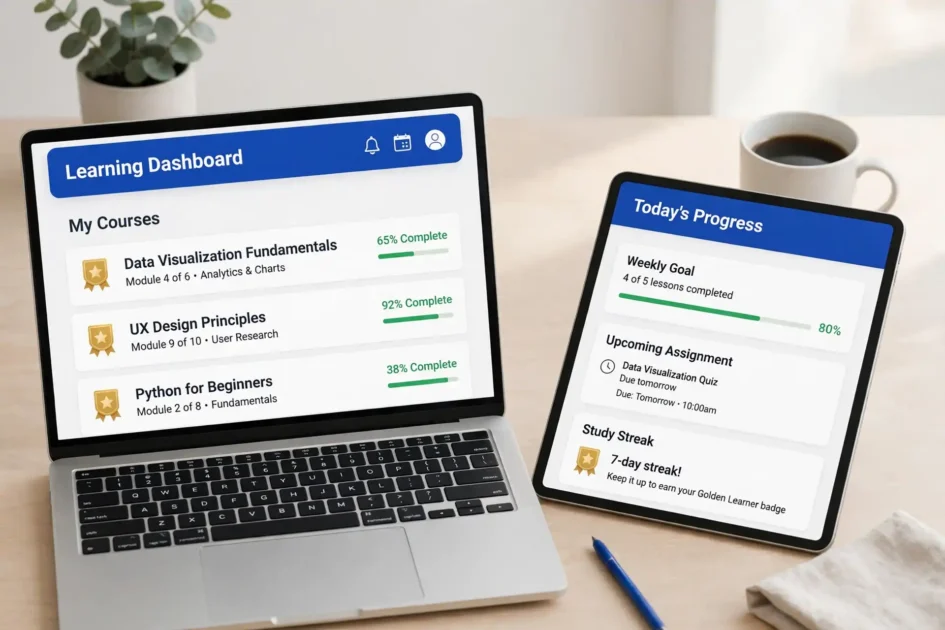
      A digital microcredential linked to a verifiable record
      A digital microcredential linked to a verifiable record

      How IABCET accredits them

      Short programs are accredited through program accreditation or within a training provider’s scope. See Short Courses and Professional Learning and Accreditation Levels.

      Stackable learning

      Providers that stack microcredentials into larger awards should define how outcomes combine. Evaluators review this under Educational Design.

      Microcredentials and accreditation for employers

      Employers increasingly hire for skills rather than degrees. Microcredentials and accreditation help them trust short credentials: an accredited provider, clear outcomes and a verifiable record tell an employer exactly what the person can do.

      Designing an accreditable microcredential

      • Start from a specific skill or competence needed in work or study.
      • Write measurable learning outcomes.
      • Define the learning time and the assessment that confirms each outcome.
      • Decide how the credential is recorded and verified.
      • Plan how learners can stack it into a larger award, if that is your goal.

      Microcredentials in every field

      Microcredentials appear in data skills, project management, healthcare procedures, safety, teaching methods, sustainability and many other fields. Universities use them for executive and continuing education; training providers use them for job-ready skills; professional associations use them for specialist updates.

      Whatever the field, the same quality questions apply. IABCET evaluates short programs with the eight standards, adapted to their size, so that microcredentials and accreditation together give learners a credential worth showing.

      For learners, the best advice is simple: before enrolling in a short course, check the provider’s record, read the learning outcomes and ask how the credential is verified. Those three checks separate valuable microcredentials from attendance certificates with little meaning in the labour market.

      Frequently asked questions

      Is a microcredential a degree?

      No. It certifies specific learning outcomes.

      Can digital badges be verified?

      IABCET records are verified through the Credential ID on iabcet.org.

      Do microcredentials earn CEUs?

      They can, when offered by an accredited provider within scope.

      Related IABCET guides

      • AI in Training and Assessment: AI in training and assessment: where AI helps, where it creates risk, and what IABCET expects for human accountability, valid assessment and records.
      • How to Verify Accreditation in 3 Steps: Learn how to verify accreditation in 3 steps: find the Credential ID, search the IABCET portal, then check status, scope and validity dates.
      • 7 Fake Accreditation Warning Signs: Spot 7 fake accreditation warning signs: missing Credential IDs, bad QR codes, out-of-scope courses, expired records and altered logos. Then report it.

      About this guide

      This guide is written by the IABCET editorial team and reviewed against the current IABCET Standards for Quality and Continuous Improvement and published policies. It explains how IABCET works; it is not legal or regulatory advice. Where national law, a regulator or a professional body sets its own rules, those rules apply. Read the Disclaimer for the limits of accreditation, and write to [email protected] if anything here seems unclear or out of date.
      On this page

      Essential guides

      • What Is Accreditation?
      • CEU vs CPE vs CME
      • How CEU Credit Is Calculated
      • Become an ATP
      • Self-Assessment Checklist
      • Verify Accreditation

      Latest updates

      • AI in Training and Assessment
      • Credentials for Trainers and Educators
      • Reaccreditation Guide
      • All news & updates

      Verify a record

      Enter the Credential ID printed on the certificate to open the live IABCET record.

      • Verification Center
      • Institution
      • Training provider (ATP)
      • Program
      • Individual credential

      Start accreditation

      Institutions, training providers and programs in any country can apply. Check eligibility, then send an application inquiry.

      Apply for Accreditation

      Check eligibility

      Share

      Related posts

      Online learning dashboard on laptop and phone

      AI in Training and Assessment


      Read more

      International Accreditation for Education and Training

      IABCET accredits educational institutions, training providers, and programs against published standards. It serves academic, vocational, and professional education, including providers of continuing education, continuing professional education (CPE), and continuing medical education (CME). Providers may award continuing education units (CEUs) within their approved scope.

      Explore Accreditation Verify a Record

      Future of IABCET

      • Future of IABCET
      • Emerging Trends
      • Impact on Continuing Education
      • Future Directions
      • Digital Learning
      • AI in Education
      • Microcredentials
      • Online & Hybrid Learning
      • Workforce Development
      • Global Education Trends
      • Future Accreditation Standards
      • Innovation in Training

      Case Studies

      • Case Studies
      • Continuous Improvement
      • Best Practices
      • Accreditation Case Studies
      • Provider Success
      • Program Quality
      • Quality Assurance
      • Learner Outcomes
      • Accreditation Journey
      • Standards Implementation
      • Innovation in Education
      • Featured Case Studies

      Accreditation Process

      • Accreditation Process
      • Accreditation Criteria
      • Assessment & Evaluation
      • Eligibility Requirements
      • Accreditation Standards
      • Accreditation Guidelines
      • Accreditation Fees
      • Reaccreditation
      • Accreditation Framework
      • Accreditation Decisions
      • Complaints & Appeals
      • Standards Version History

      Accreditation Benefits

      • Benefits of Accreditation
      • Benefits for Learners
      • Recognition & Validation
      • Benefits for Providers
      • What Accreditation Means
      • Accreditation Directory
      • Verification Center
      • Accreditation Framework
      • Accreditation Decisions
      • Accreditation Standards
      • Professional Credentials
      • CPE & CEU

      IABCET Overview

      • IABCET Overview
      • Accreditation Standards
      • History & Mission
      • Introduction to IABCET
      • What Is IABCET?
      • Leadership & Governance
      • Committees & Governance
      • Trust & Transparency
      • Ethics & Integrity
      • Conflict of Interest
      • Policies & Documents
      • Contact IABCET

      Trust & Transparency

      • Trust & Transparency
      • Leadership & Governance
      • Ethics & Integrity
      • Conflict of Interest
      • Accreditation Decisions
      • Complaints & Appeals
      • Policies & Documents
      • Accreditation Framework
      • Standards Version History
      • Accreditation Directory
      • Verification Center
      • What IABCET Accreditation Means

      © 2026 IABCET | The International Accreditation Board for Continuing Education and Training. All rights reserved.

      The IABCET name, logos, and related marks are trademarks or service marks of IABCET. All other trademarks belong to their respective owners.

        Verify Accreditation